
Environmental Impact of Fast Fashion: A Sustainability Guide for Fashion Professionals
Table of Contents
Toggle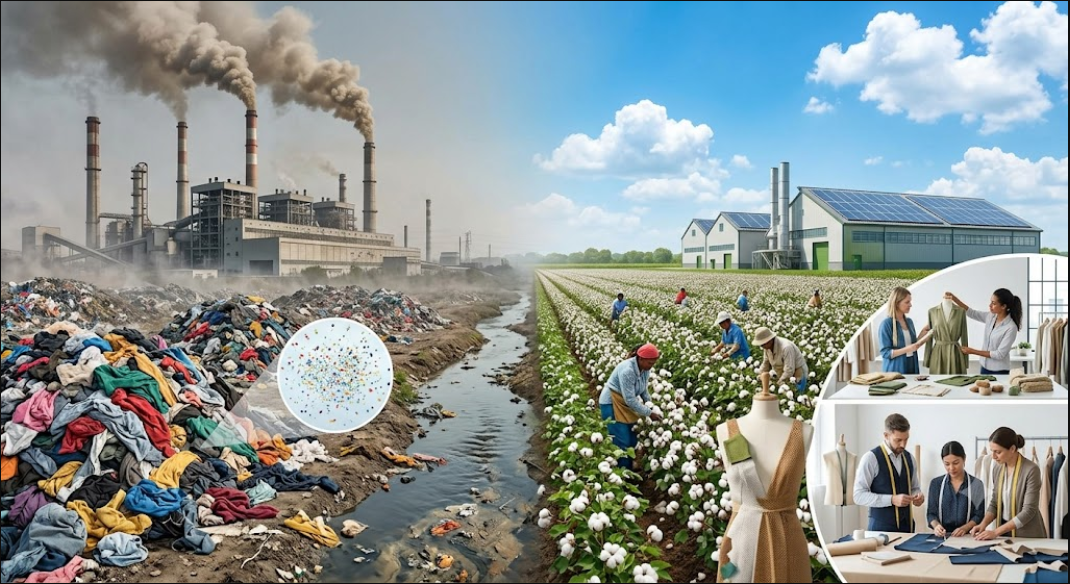
Introduction
Every garment hanging in a retail store carries a hidden environmental cost — one that most consumers never see and many professionals underestimate. From cotton farming that drains freshwater reserves to synthetic fibers that shed microplastics into oceans, the fashion industry’s environmental footprint has become one of the most pressing sustainability challenges of our time.
For sustainability managers, fashion brand owners, textile professionals, and marketing teams operating in India’s fast-growing apparel sector, understanding this impact is no longer optional. Regulatory pressure, ESG reporting requirements, and shifting consumer expectations are pushing environmental accountability to the center of business strategy.
This guide breaks down the environmental impact of fast fashion in clear, data-driven terms — covering carbon emissions, water consumption, textile waste, and microplastic pollution — and outlines proven, practical strategies that fashion businesses can implement to build a more sustainable supply chain.
By the end of this article, you will understand:
- How fast fashion drives carbon emissions and water consumption
- The real scale of global textile waste
- The difference between fast fashion and slow fashion business models
- Circular economy strategies fashion companies are adopting
- Common mistakes brands make when attempting sustainability initiatives
- Practical, expert-backed steps to reduce environmental impact
Table of Contents
- What Is the Environmental Impact of Fast Fashion?
- Fashion Industry Carbon Footprint Explained
- Water Consumption in Textile Production
- Textile Waste: The Scale of the Problem
- Microplastics and Ocean Pollution
- Fast Fashion vs. Sustainable Fashion: A Comparison
- Pros and Cons of Fast Fashion Business Models
- Circular Economy: A Step-by-Step Framework for Fashion Brands
- Sustainable Materials Fashion Companies Are Adopting
- Expert Tips for Reducing Environmental Impact
- Common Mistakes Fashion Brands Make in Sustainability
- Frequently Asked Questions
- Final Summary
- Call to Action
1. What Is the Environmental Impact of Fast Fashion?
The environmental impact of fashion is really bad. Fast fashion is when companies make clothes quickly and cheaply. This hurts the environment because it uses a lot of resources and creates a lot of waste. Fast fashion companies make clothes all the time, which means they use a lot of energy, water and chemicals. This leads to carbon emissions, water waste and chemical pollution.
For example regular clothing companies usually release four collections of clothes per year.. Some fast fashion companies release more than fifty collections per year. This means they are using a lot of resources to make all those clothes. The environmental impact of fashion is a big problem because it is happening so quickly and cheaply. This leads to a lot of waste. Hurt to the environment.
2. Fashion Industry Carbon Footprint Explained
The fashion industry is responsible for a lot of carbon emissions. In fact it is responsible for eight to ten percent of all carbon emissions in the world. This is more than the carbon emissions from flying and shipping combined.
There are a things that contribute to carbon emissions in the fashion industry. These include making materials, spinning yarn, dyeing and finishing clothes making clothes and transporting and selling clothes.. The biggest contributor to carbon emissions is making synthetic fibers like polyester. Polyester is made from oil. It creates a lot of carbon emissions.
For example a single polyester t-shirt creates around 5.5 kg of CO2. This is triple the emissions of an organic cotton t-shirt. The fashion industry needs to reduce its carbon emissions to help the environment.
3. Water Consumption in Textile Production
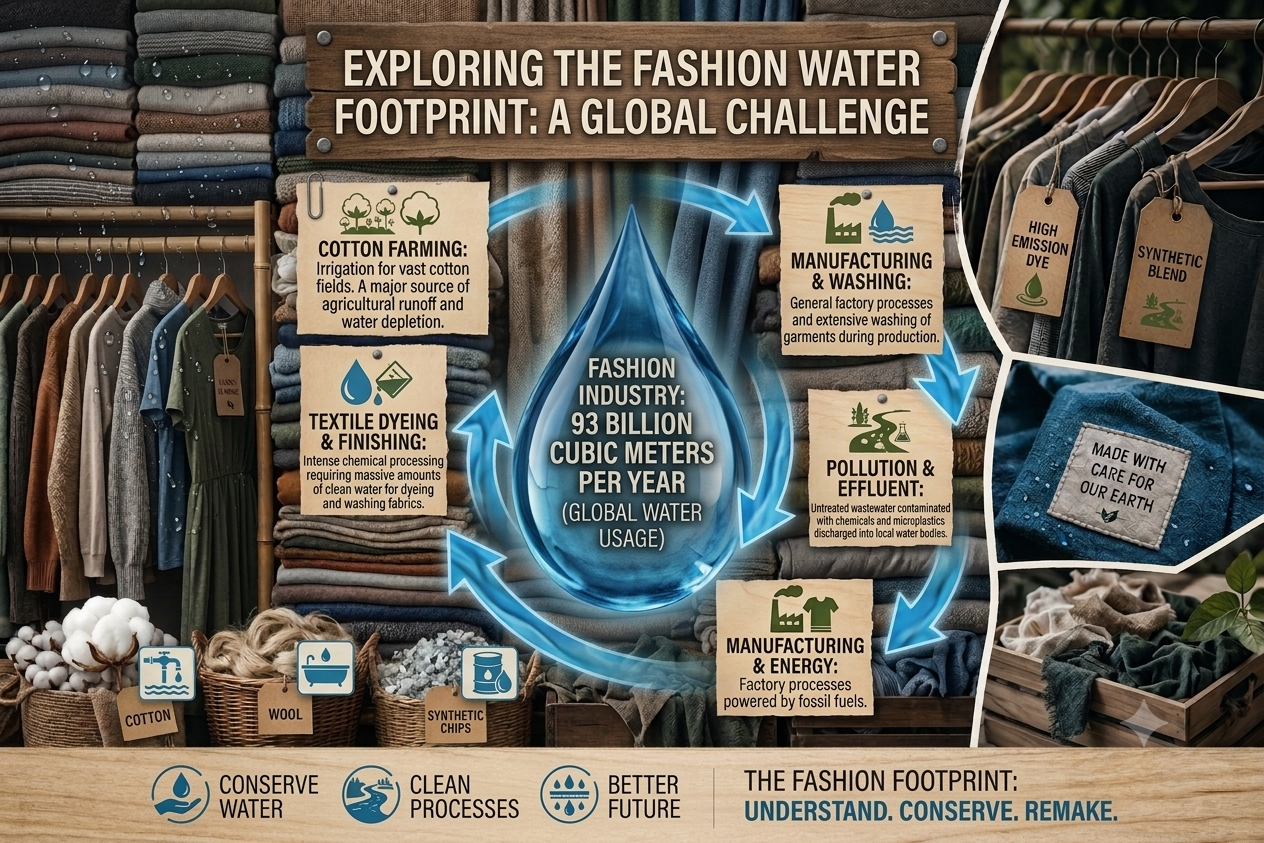
The fashion industry uses a lot of water. In fact it uses around 93 billion meters of water per year. This is water for five million people. A lot of this water is used to dye clothes. Cotton farming also uses a lot of water.
Different types of clothes use amounts of water. For example a t-shirt made from cotton uses around 2,700 liters of water. A pair of jeans uses around 7,500 liters of water. Synthetic fibers use water than cotton but they still use a lot of water for dyeing.
For example in some parts of India the water is polluted from dyeing clothes. This means the water is not safe to drink or use for farming. The fashion industry needs to reduce its water waste to help the environment.
4. Fashion Industry Waste
The fashion industry creates a lot of waste. In fact it creates around 92 million tonnes of waste per year. Most of this waste is not recycled. Instead it is thrown away. Burned.
It is hard to recycle clothes because they are made from materials. These materials are often mixed together which makes them hard to separate. The fashion industry needs to make clothes that’re easier to recycle.
For example some clothes are only worn a times before they are thrown away. This is a waste of resources. The fashion industry needs to make clothes that are designed to last
5. Microplastics and Ocean Pollution
Synthetic fibers like polyester are bad for the ocean. When we wash clothes made from polyester they release plastic fibers. These fibers can get into the ocean. Hurt marine life.
For example researchers have found microplastics in the ocean near garment manufacturing facilities. This is because the wastewater from these facilities is not treated properly. The fashion industry needs to reduce its use of fibers to help the ocean.
6. Fast Fashion Vs. Fashion Comparison
Fast fashion and sustainable fashion are different. Fast fashion is when companies make clothes quickly and cheaply. Sustainable fashion is when companies make clothes in a way that does not hurt the environment.
Here is a comparison of fashion and sustainable fashion:
* Production cycles: Fast fashion has monthly production cycles. Sustainable fashion has production cycles.
* Materials: Fast fashion uses fibers. Sustainable fashion uses fibers.
* Lifespan: Fast fashion clothes are only worn a times. Sustainable fashion clothes are designed to last
* Labor practices: Fast fashion companies often have labor practices. Sustainable fashion companies have labor practices.
* Water and carbon footprint: Fast fashion has a water and carbon footprint. Sustainable fashion has a water and carbon footprint.
* Price: Fast fashion is cheap. Sustainable fashion is more expensive.
* Waste: Fast fashion creates a lot of waste. Sustainable fashion creates waste.
The fashion industry needs to move towards fashion to help the environment.
7. Fashion Pros and Cons
This fashion industries has some good things and some bad things. Here are some pros and cons:
* Pros: Fast fashion is cheap trendy. Creates jobs.
* Cons: Fast fashion has a carbon footprint creates waste and uses a lot of water.
The fashion industry needs to weigh the pros and cons of fashion and make changes to help the environment.
8. Circular Economy: Step-By-Step Guide for Fashion Brands
The circular economy is a way for companies to reduce waste and help the environment. Here is a step-by-step guide for fashion brands:
1. Look at the materials you use. How they are processed.
2. Design clothes that are durable and can be recycled.
3. Find materials and suppliers.
4. Create take-back programs for clothes.
5. Work with recyclers to recycle clothes.
6.. Report your environmental impact.
7. Educate your customers about sustainability.
For example some fashion brands have created take-back programs for clothes. This helps to reduce waste and promote sustainability.
9. Sustainable Materials Fashion Companies Are Using
Some fashion companies are using materials. These include:
* cotton: This is an alternative to regular cotton.
* Recycled polyester: This is made from recycled plastic bottles.
* Tencel: This is a fiber made from wood pulp.
* Hemp: This is a crop that uses less water and pesticides.
* Piñatex: This is a leather substitute made from pineapple leaves.
The fashion industry needs to use sustainable materials to help the environment.
10. Expert Tips for Reducing Environmental Impact
Here are some tips for reducing environmental impact:
* Make sure your suppliers are sustainable.
* Use recycling and water treatment solutions.
* Design clothes that are durable and can be recycled.
* Report your impact and be transparent.
11. Fashion Brands Mistakes in Creating Products
Some fashion brands make mistakes when trying to create sustainable products. These include:
* Assuming that some materials are sustainable without looking at the picture.
* Only looking at materials. Not, at other environmental impacts.
* Designing an eco-friendly clothes instead of making all clothes sustainable.
* Focusing on recycling and not on other ways to reduce waste.
* Not considering regulations and differences when implementing a sustainability strategy.
The fashion industry needs to learn from these mistakes and make changes to help the environment.
The fashion industry contributes an estimated 8–10% of global carbon emissions and consumes roughly 93 billion cubic meters of water annually. Fast fashion accelerates this harmful impact through overproduction, synthetic textiles, and rapid disposal cycles. Sustainable fashion practices — circular design, recycled materials, and slower production — offer proven ways to reduce this footprint.
12. Frequently Asked Questions
1. What is the environmental impact of the fashion industry?
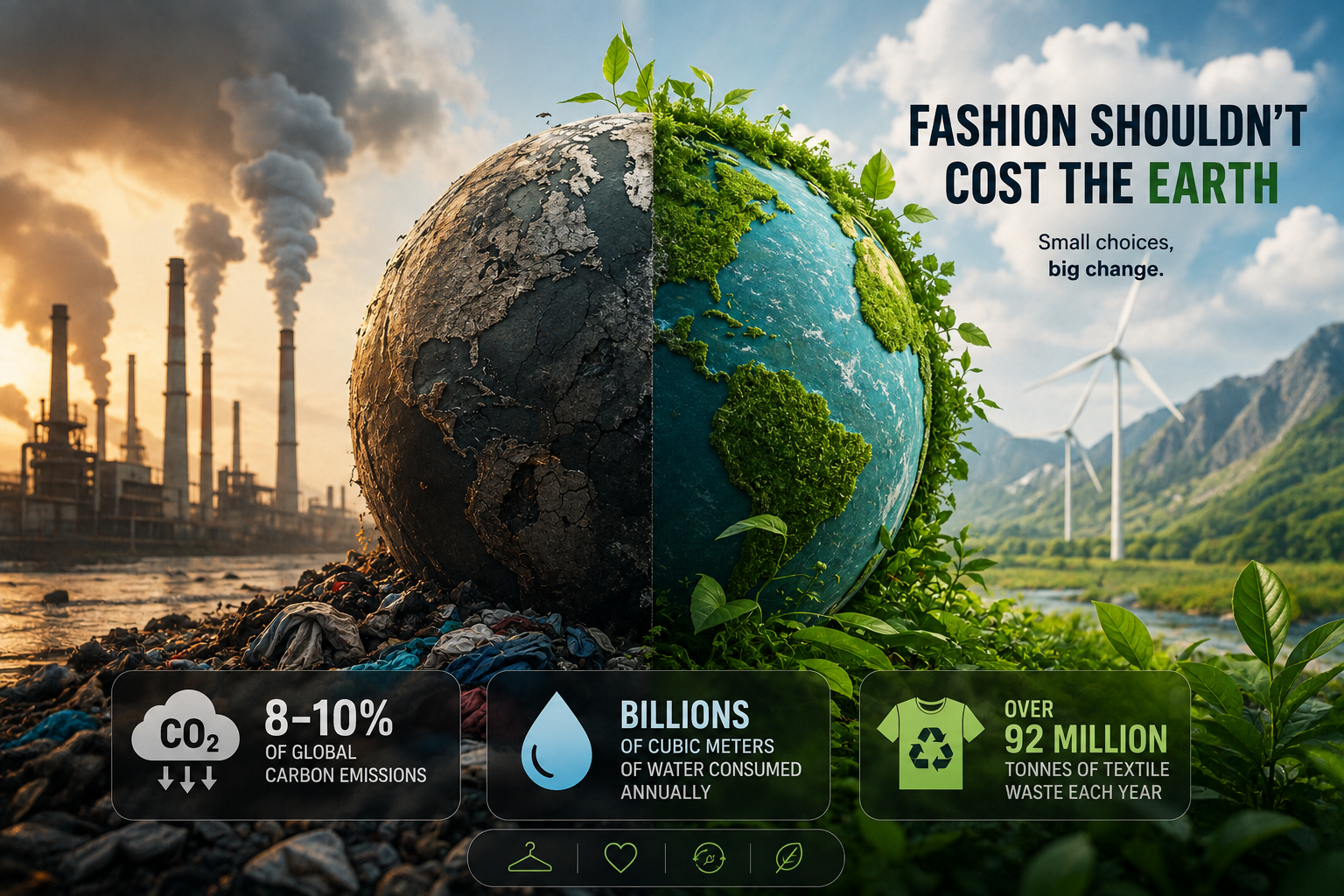
The fashion industry contributes roughly 8–10% of global carbon emissions, consumes billions of cubic meters of water annually, and generates over 92 million tonnes of textile waste each year, making it one of the most resource-intensive global industries.
2. How does fast fashion affect the environment?
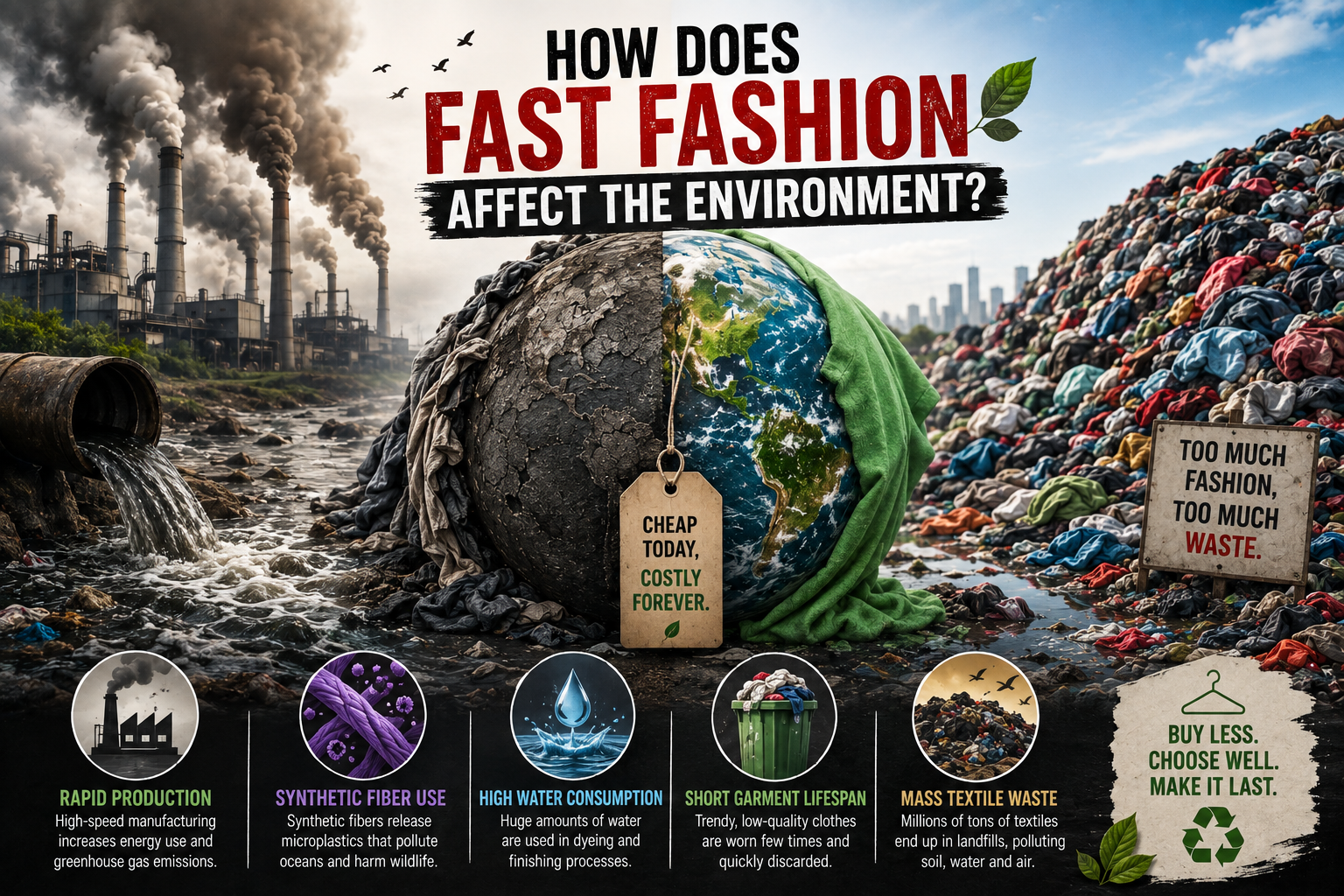
Fast fashion accelerates environmental harm through rapid production cycles, synthetic fiber use, high water consumption, and short garment lifespans that lead to mass textile waste and landfill overflow.
3. What is sustainable fashion?
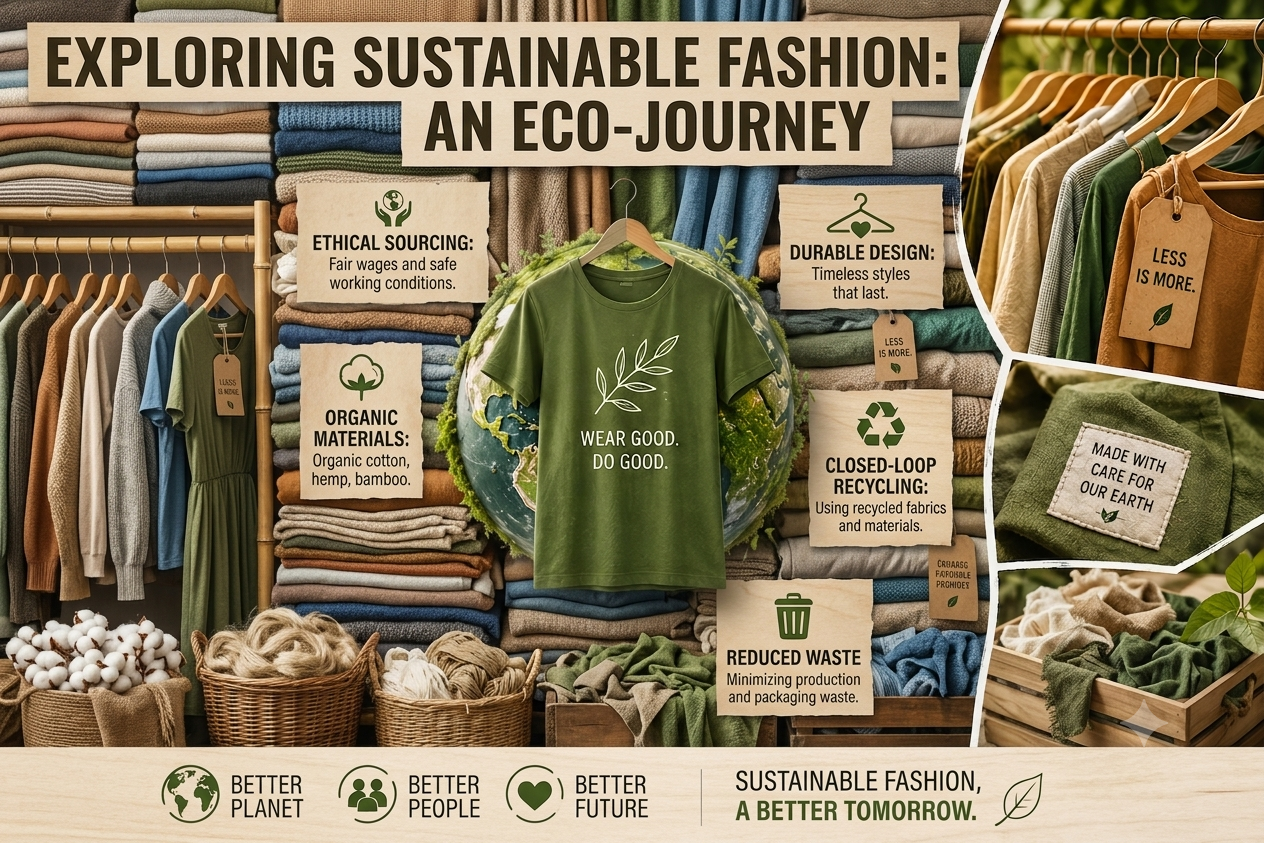
Sustainable fashion refers to clothing production practices that minimize environmental impact through ethical sourcing, durable design, recycled or organic materials, and reduced waste across the entire product lifecycle.
4. What is the fashion industry's carbon footprint?
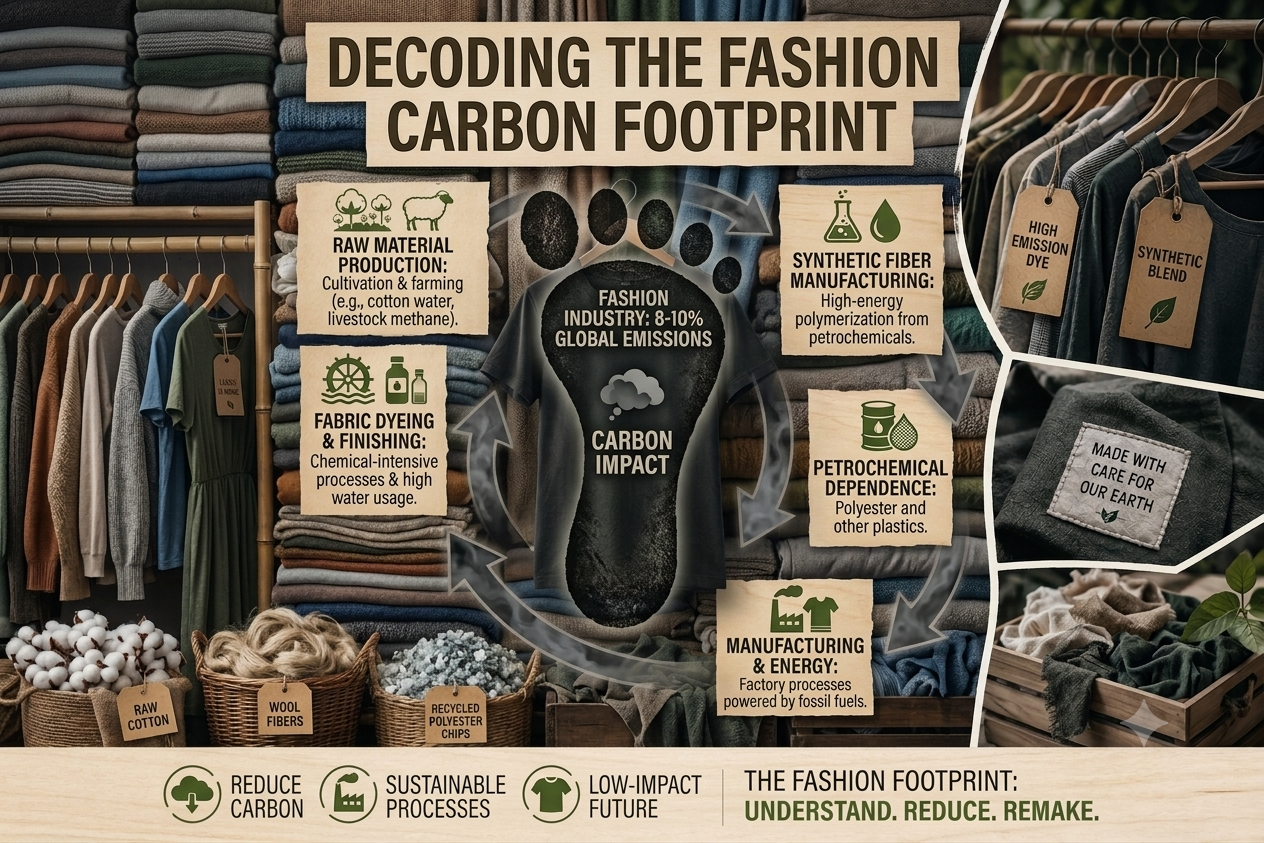
The fashion industry’s carbon footprint is estimated at 8–10% of global emissions, driven primarily by raw material production, fabric dyeing, and synthetic fiber manufacturing.
5. How much water does the fashion industry use?
The fashion industry uses approximately 93 billion cubic meters of water per year, with cotton farming and textile dyeing being the largest contributors.
6. What is textile waste ?
7. Why is Textile Waste a Problem?
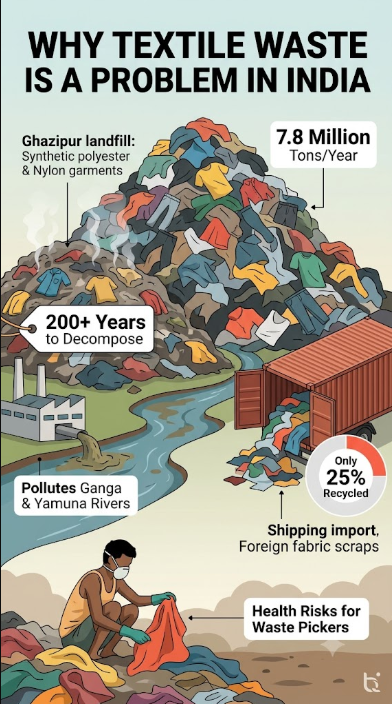
1. Massive Amount of Waste
2. Overcrowded Landfills
3. Severe Water Pollution & Waste
4. Very Low Recycling Rates
5. Foreign Waste Dumped in India
6. Health Risks for Waste Pickers
8. how the textile waste crisis impacts
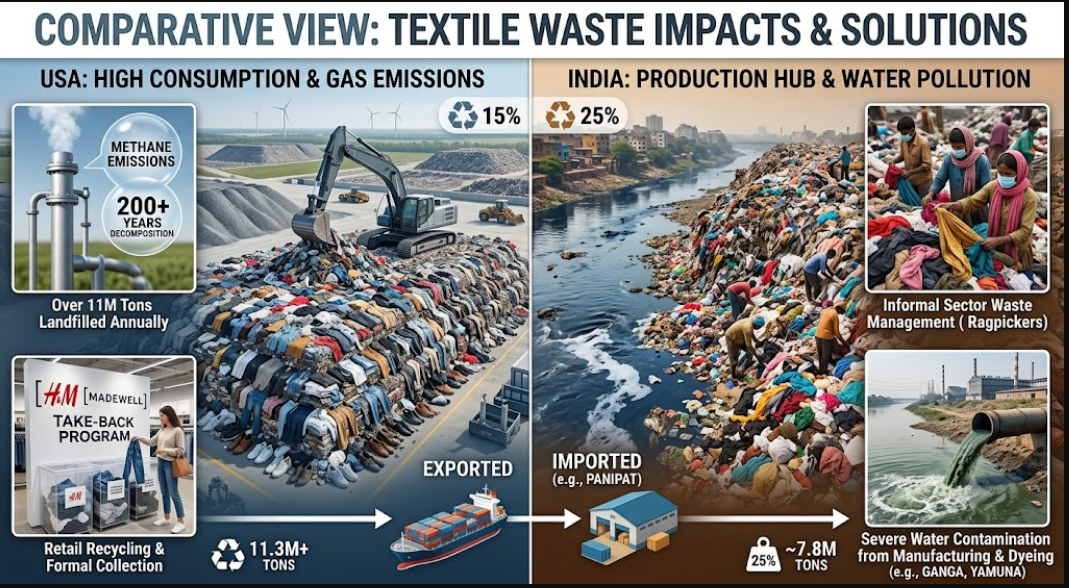
| Key Aspect | United States (US) | India |
| Primary Role in Crisis | Mass Consumption: High consumer demand and rapid buying driven by fast fashion. | Production & Waste Hub: Major textile manufacturing center and global hub for recycling/dumping imported waste. |
| Annual Textile Waste | 11.3M to 17M tons per year (~81.5 lbs thrown away per person). | ~7.8M tons per year (3rd largest component of urban dry waste). |
| Primary Environmental Threat | Landfill Overfill & Gas Emissions: Over 11M tons end up in US landfills, decomposing slowly (200+ years) and generating methane. | Severe Water Pollution: Mass manufacturing and dyeing contaminate major rivers (like Ganga and Yamuna) and groundwater with toxic chemicals. |
| Recycling Rates | ~14.7% to 15% recycled, with up to half shipped overseas to developing nations. | ~25% mechanical recycling into yarn/thread; 34% reused/upcycled. |
| Waste Processing & Labor | Formal waste management systems, curbside collection, and retail drop-off programs (e.g., Madewell, H&M). | Heavily relies on the informal sector (ragpickers/informal workers) operating in hazardous, dust-filled conditions without protective gear. |
| Imported Waste Factor | Exports large quantities of second-hand clothes to other countries. | Imports scrap fabric and used clothing (e.g., to Panipat recycling hubs), adding foreign waste to local landfills when unprocessable. |
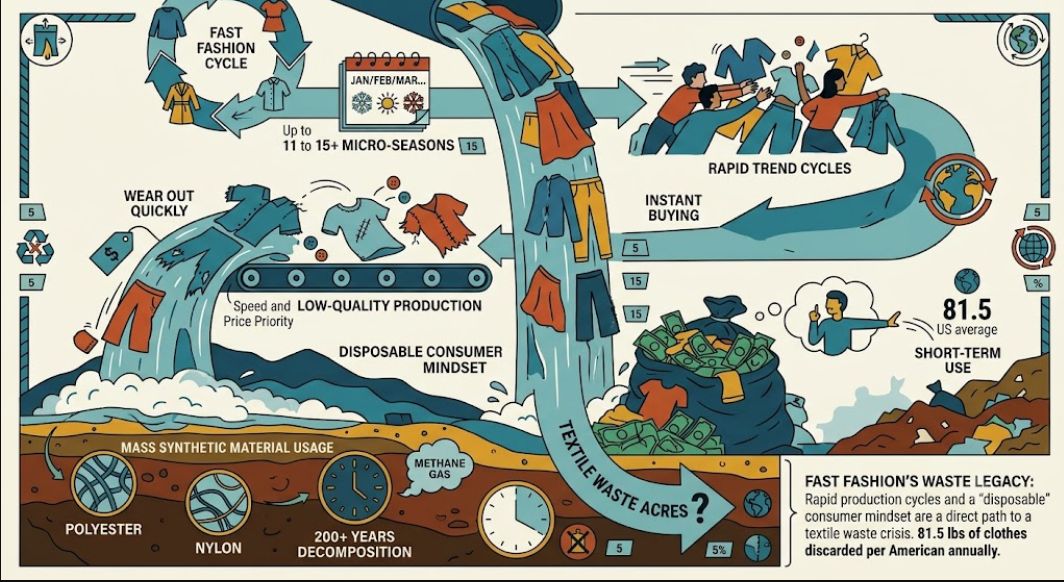
9. How is fast fashion driving the rapid increase in textile waste?
Rapid Trend Cycles: Traditional fashion operated on 2 to 4 seasonal releases a year, but fast fashion models launch up to 11 to 15+ micro-seasons annually. This rapid turnover encourages constant buying to keep up with short-lived trends.
Low-Quality, Low-Cost Production: Retailers prioritize speed and cheap pricing, resulting in garments made with lower-quality fabrics that wear out or lose shape quickly.
Disposable Consumer Mindset: Because clothes are inexpensive and produced in bulk, consumers treat them as short-term items rather than long-term investments, discarding garments after only a few uses.
Mass Synthetic Material Usage: Fast fashion heavily relies on cheap synthetic fibers like polyester and nylon, which can take over 200 years to decompose in landfills.
10. What steps are major fashion brands taking to combat textile waste?
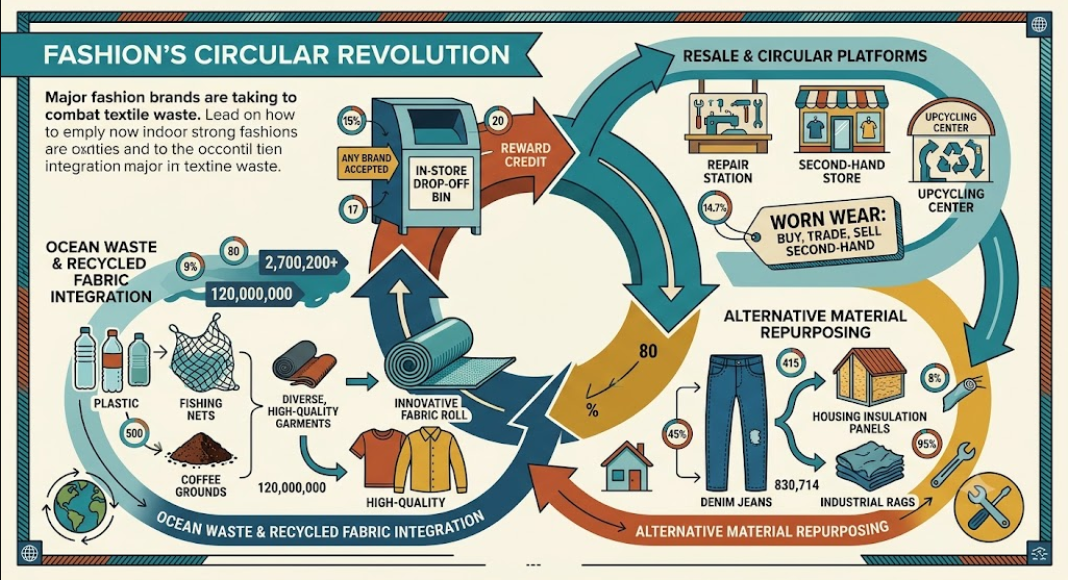
In-Store Take-Back & Recycling Programs: Retailers set up collection drop-offs in physical stores where customers can return used clothing of any brand for reuse or recycling, often offering discounts or reward credits in return.
Resale & Circular Platforms: Outdoor and apparel brands launch dedicated second-hand marketplaces to buy back, repair, redesign, and resell used gear, extending the life cycle of their products.
Alternative Material Repurposing: Innovative initiatives partner with recycling programs to repurpose worn-out garments (like denim) into home insulation or other industrial materials, keeping scrap fabrics completely out of landfills.
Ocean Waste & Recycled Fabric Integration: Eco-focused brands develop top-quality fabrics made entirely from recycled ocean plastics, discarded fishing nets, and coffee grounds to reduce reliance on virgin natural resources.
11. Is slow fashion more expensive than fast fashion?
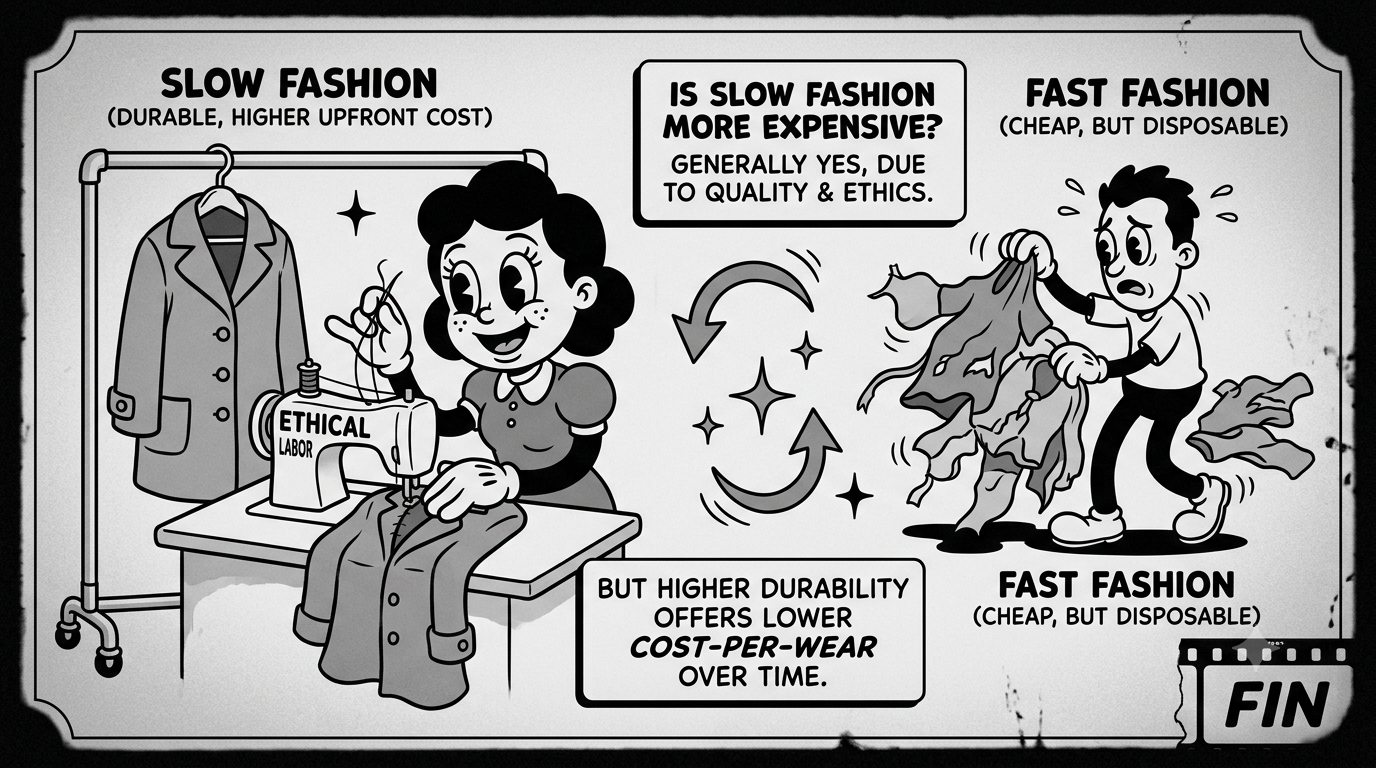
Generally yes — slow fashion garments often carry higher price points due to quality materials and ethical labor practices, but they typically offer greater durability and lower cost-per-wear over time.
12. What is a circular economy in fashion? A circular fashion economy is a business model designed to keep materials in continuous use through recycling, resale, and regenerative design, reducing dependency on virgin raw materials.
13. What are microplastics in fashion, and why do they matter? Microplastics are tiny synthetic fibers shed from polyester and nylon garments during washing. They matter because they contribute an estimated 35% of primary ocean microplastic pollution.
14. What are sustainable fabrics? Sustainable fabrics include organic cotton, recycled polyester, Tencel, hemp, and other materials produced with reduced water, chemical, and carbon impact compared to conventional textiles.
15. How can fashion companies reduce their environmental impact? Fashion companies can reduce environmental impact by adopting circular design principles, sourcing sustainable materials, upgrading dyeing technology, and implementing garment take-back and recycling programs.
16. How does textile waste affect the environment?
- Landfill Strain & Methane Emissions: Non-biodegradable synthetic fibers (like polyester and nylon) sit in landfills for centuries, decomposing slowly and releasing greenhouse gases such as methane.
- Microplastic Pollution: Washing and dumping synthetic textiles releases millions of microplastics into oceans, harming marine life and entering the human food chain.
- Soil & Groundwater Contamination: Toxic dyes, heavy metals, and chemical finishes bleed from discarded clothes into surrounding soil and water tables.
- Resource Depletion: High water consumption and heavy chemical use in virgin textile production go to waste when garments are discarded quickly.
17. Is textile waste a global problem?
Causes of textile waste
- Fast Fashion Business Models: Rapid trend cycles and cheap clothing encourage overproduction and frequent consumer purchases.
- Poor Garment Quality: Low-grade stitching and synthetic fabrics lead to fast wear-and-tear, making repair impractical.
- Overproduction & Unsold Inventory: Fashion brands routinely overproduce by 30–40% to meet demand spikes, discarding unsold stock.
- Complex Material Blends: Clothes made from blended fibers (e.g., poly-cotton) are difficult and expensive to recycle, leading directly to disposal.
Textile waste examples
- Pre-Consumer Waste: Off-cuts, scraps, damaged rolls, and rejected garments generated during factory production.
- Post-Consumer Waste: Worn-out clothes, unused apparel discarded by consumers, and household textiles like curtains or bedsheets.
- Deadstock: Unsold seasonal collections that brands burn or landfill to protect brand equity.
Textile waste statistics
- 92 Million Tonnes: Annual global textile waste produced.
- 1 Truckload per Second: The equivalent volume of textiles landfilled or incinerated globally.
- < 1%: Amount of material used to produce clothing that is recycled into new clothing.
- 10% of Global Emissions: The fashion industry’s contribution to global carbon output (more than international flights and shipping combined).
Fabric waste in garment industry
Textile waste in India
- Post-Industrial Scraps: Mass production hubs in Tirupur, Surat, and Ahmedabad generate tonnes of cutting waste daily.
- Domestic Household Waste: Rapid urbanization and rising disposable incomes have increased post-consumer clothing waste in Indian metro cities.
- Imports of Second-Hand Clothing: Large volumes of imported discarded clothing arrive for sorting, downcycling, or disposal.
Textile waste management in India
- Upcycling & Shoddy Yarn Hubs: Cities like Panipat process post-industrial and imported rag waste into low-cost blankets, carpets, and coarse yarn.
- Circular Fashion Startups: A growing network of Indian sustainable brands and social enterprises upcycle fabric scraps into bags, footwear, and home decor.
- Extended Producer Responsibility (EPR): Evolving policy frameworks aiming to hold textile manufacturers responsible for waste collection and recycling.
- Mechanical & Chemical Recycling: Traditional mechanical shredding dominates, while chemical recycling (separating poly-cotton blends) is expanding to create high-grade recycled yarn.
13. Final Summary
The environmental impact of fast fashion is measurable, significant, and increasingly difficult for fashion businesses to overlook. From an 8–10% share of global carbon emissions to 93 billion cubic meters of annual water consumption and over 92 million tonnes of textile waste, the industry’s footprint touches nearly every environmental system.
However, this challenge comes with a proven path forward. Sustainable materials, circular economy models, transparent supply chains, and durability-focused design offer fashion professionals concrete tools to reduce environmental harm while meeting growing ESG and consumer expectations.
For sustainability managers, brand owners, and textile professionals, the shift toward sustainable fashion is no longer a niche positioning strategy — it is becoming a core operational requirement.
bonus
Taking Action to Reduce Textile Waste
- Recycle Used Fabrics: Textile recycling rates remain among the lowest across all material types. However, discarded items—such as torn jeans, faded hoodies, or unpaired socks—can be repurposed into fresh apparel, home insulation, cleaning rags, or toy stuffing. Retail brands now make this process hassle-free by placing drop-off recycling boxes directly inside their outlets.
- Organize Clothes Swap Events: As the saying goes, what is no longer useful to one person might be valuable to another. Setting up a clothing exchange event at the workplace is an ideal way for team members to refresh their wardrobe sustainably while responsibly decluttering unused items.
- Opt for Clothing Rentals: Instead of purchasing new attire for one-time events, job interviews, or corporate meetings, renting clothes offers a smart alternative. Rental services help preserve natural resources required to make new garments, keeping you stylish without heavy spending or adding to landfill waste.
- Donate Unwanted Apparel: Giving away wearable clothes to non-profits and charitable groups is an effective way to support the community while keeping textiles away from dumping grounds. Many resale and charity platforms accept pre-owned clothes and ensure that non-resellable items are sent for recycling.
Moving Towards a Circular Model
The Hidden Price of Fast Fashion: How Our Wardrobe is Costing the Planet
1. Massive Water Consumption and Chemical Runoff
2. A Massive Carbon Footprint
3. The Invisible Threat of Microplastics
4. Overconsumption and Overflowing Landfills
5. Moving Toward Sustainable Fashion
- Quality Over Quantity: Invest in durable, timeless pieces rather than short-lived trend garments.
- Choose Sustainable Fabrics: Opt for organic cotton, linen, hemp, or certified recycled fibers whenever possible.
- Embrace Circularity: Extend the lifecycle of your wardrobe through thrifting, secondhand buying, clothing rentals, and repairing damaged items instead of throwing them away.
source https://earth.org/fast-fashions-detrimental-effect-on-the-environment/
Sustainability isn’t a trend your fashion business can afford to sit out — it’s fast becoming the standard by which brands, investors, and consumers judge long-term credibility. If your team is ready to move from awareness to action, Anamania Ganga Industries (AGI) can help you assess your current environmental footprint, identify sustainable material and process alternatives, and build a practical roadmap toward circular fashion practices.
Get in touch with Anamania Ganga Industries today to schedule a sustainability consultation and take the first step toward a lower-impact, future-ready supply chain.
You can read more about this topic on other sites :-
- United Nations Environment Programme – https://www.unep.org/
- Geneva Environment Network – https://www.genevaenvironmentnetwork.org/resources/updates/sustainable-fashion/
- Ellen MacArthur Foundation – https://www.ellenmacarthurfoundation.org/topics/fashion/overview
- Ministry of Textiles, Government of India – https://texmin.gov.in/
- World Resources Institute – https://www.wri.org/
you can find our more blogs here = https://anamaniagangaindustries.gen.in/blogs/
Our refernce article also here on https://thesustainablebrandsjournal.com/the-environmental-impact-of-fast-fashion/